Part 1 of 5 · freeIntroduction
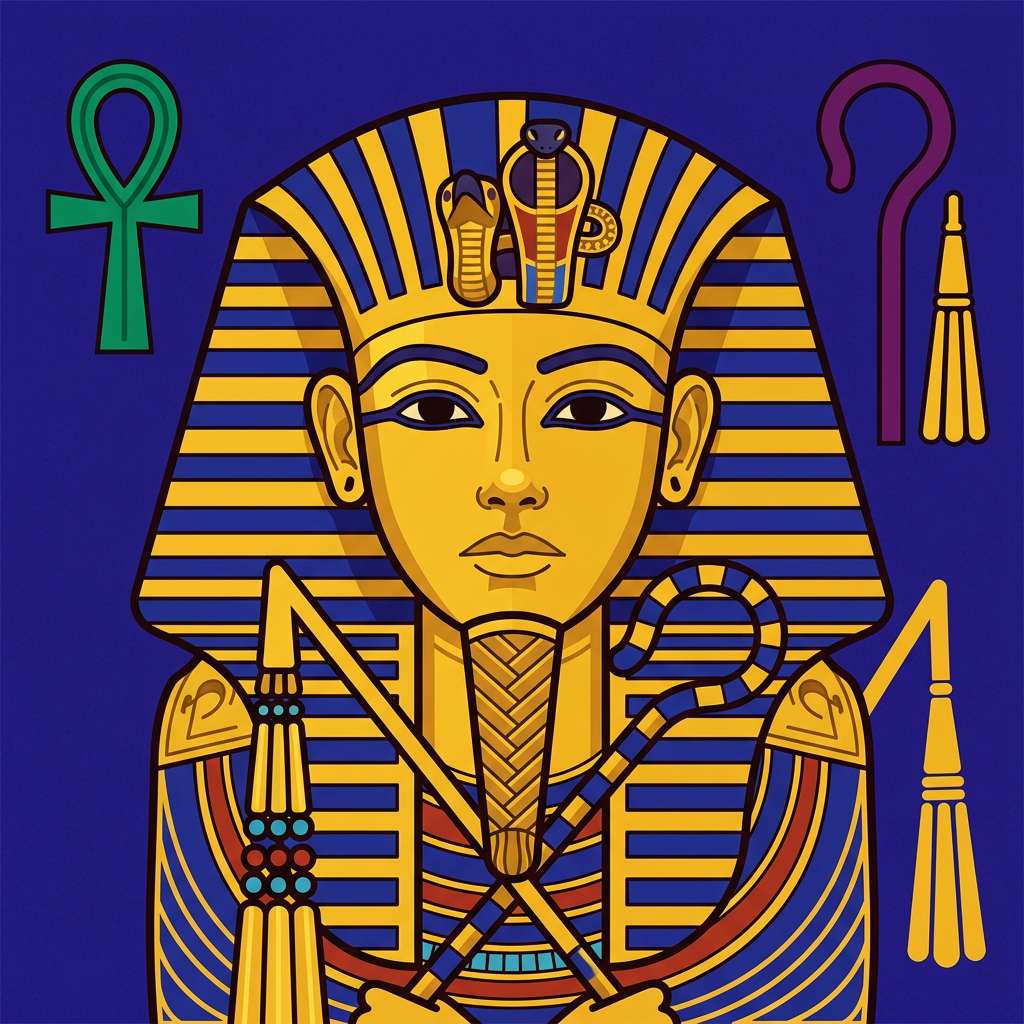
Most bodies decay. A mummy does not. It is visibly dead, yet it still looks human: skin, hair, teeth and facial features can survive for centuries. The fear it inspires has little to do with violence. It comes from a body that stubbornly refuses to disappear.
The Egyptian mummy is the most familiar, but many climates preserve bodies. Deserts, ice, peat bogs and salt do it naturally. Deliberate mummification reaches the same result on purpose: the body is dried, the organs removed, the whole covered in resins and wrappings. Either way, a body is held onto long after death should have taken it.
The rest is in the Sophia app.The remaining parts, the open-book quiz and the full glossary. Free to start; Premium unlocks everything.
- 2Preserving the body for the afterlife
- 3From sacred relic to powdered remedy
- 4The curse of Tutankhamun
- 5What refuses to stay buried
Open-book quiz8 questions whose answers are in the text.
Glossary8 terms explained in a tap.
30 languagesThe same course, from French to Japanese.