Part 1 of 5 · freeIntroduction
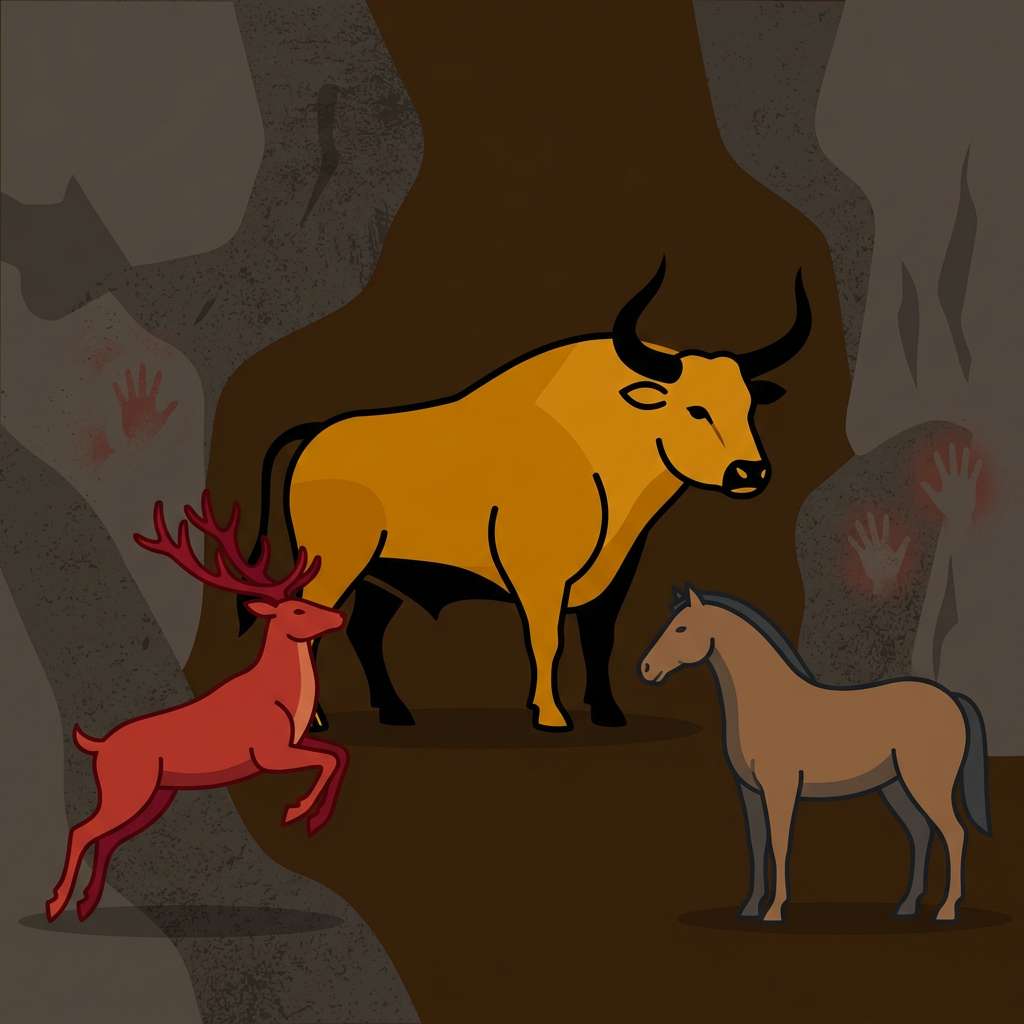
On September 12, 1940, four teenagers and their dog were walking in the woods near Montignac, in the Dordogne, when they noticed a hole in the ground. A local legend told of a secret passage leading to Lascaux Manor, so they crawled in. They found walls covered with horses, deer, stags, wild cattle, felines, a single human figure and strange shapes.
They told their teacher, who alerted specialists in prehistoric art. Word spread, but scientists only turned their full attention to the cave after World War II. What a group of schoolboys stumbled upon by chance is today one of the most important sites of prehistoric art in the world. And one question hangs over these walls: why were they painted?
The rest is in the Sophia app.The remaining parts, the open-book quiz and the full glossary. Free to start; Premium unlocks everything.
- 2Bulls, felines and a bird-headed man
- 3Art, the signature of Homo sapiens
- 4Hunting magic or shamanic rite?
- 5Painting, a universal human need
Open-book quiz8 questions whose answers are in the text.
Glossary7 terms explained in a tap.
30 languagesThe same course, from French to Japanese.