Part 1 of 5 · freeIntroduction
Hair, eyes, skin color, body shape: we all look different. These physical traits come down to inheritance: each gene is a segment of DNA received from our biological parents. Our surroundings matter too: what we eat, the people around us, what we believe. But we take our genes for granted. We might wish we were taller or thinner, but we live with them without a second thought.
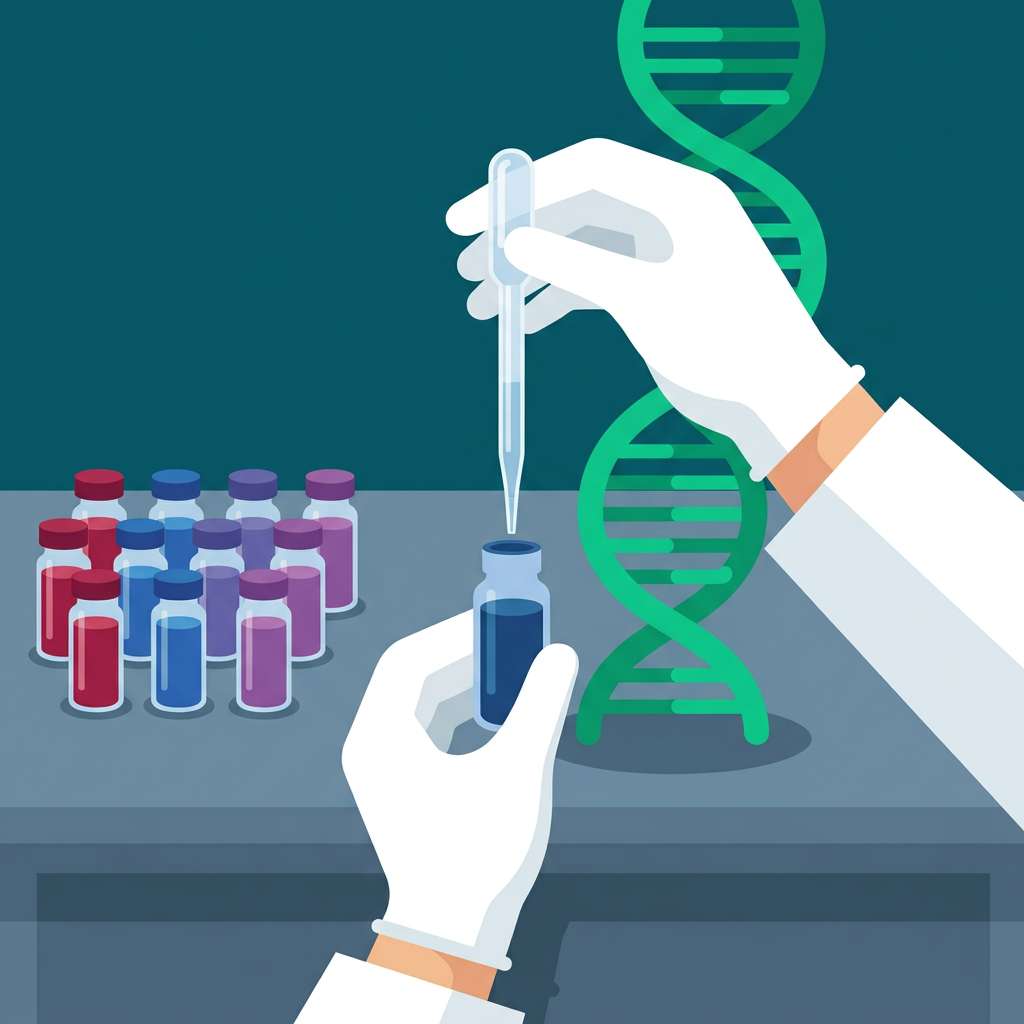
What would you change if you could edit your DNA? The question is no longer theoretical. In 2012, an American biochemist, Jennifer Doudna, and a French microbiologist, Emmanuelle Charpentier, developed a way to program a protein that cuts DNA. From then on, they could remove an unwanted gene and so, in theory, edit the DNA of a human being.
The rest is in the Sophia app.The remaining parts, the open-book quiz and the full glossary. Free to start; Premium unlocks everything.
- 2CRISPR, scissors borrowed from bacteria
- 3The first cures: sickle cell disease and thalassemia
- 4Why we will not cure everything
- 5Designer babies: where do we draw the line?
Open-book quiz8 questions whose answers are in the text.
Glossary7 terms explained in a tap.
30 languagesThe same course, from French to Japanese.