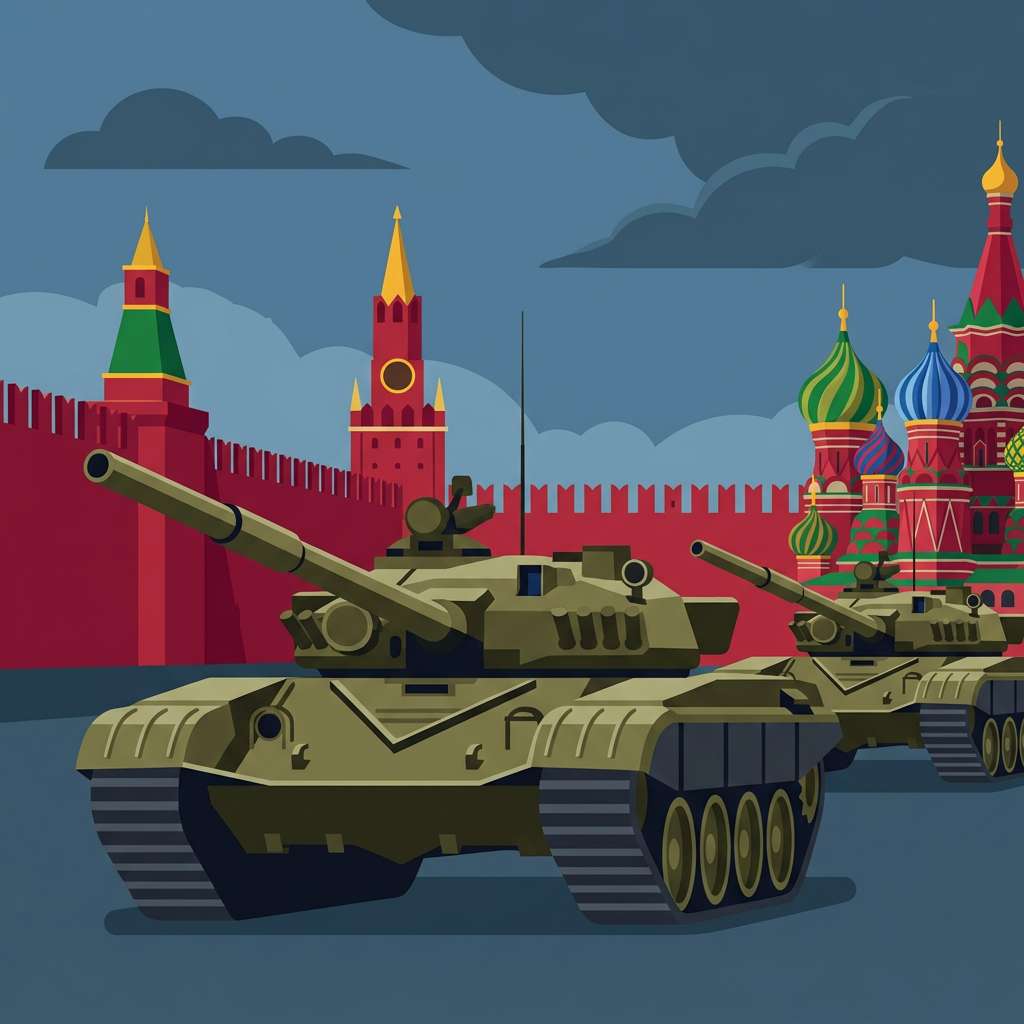
Part 1 of 5 · freeIntroduction
On December 25, 1991, Christmas Day, Mikhail Gorbachev, the president of the Soviet Union, announced his resignation. The next day, the Supreme Soviet, the Union's parliament, voted to dissolve the USSR. The date ranks among the most consequential of the 20th century. It came a little over two years after the fall of the Berlin Wall.
The dissolution gave birth to fifteen independent states and hastened the breakup of several former allies of Moscow. With the end of the USSR came the end of the Cold War, which had shaped global geopolitics for more than forty years. How could a superpower come apart like this, in a matter of months?
The rest is in the Sophia app.The remaining parts, the open-book quiz and the full glossary. Free to start; Premium unlocks everything.
- 2From the 1917 revolution to the 1922 Union
- 3Cold War and Warsaw Pact: the cracks
- 4Glasnost, perestroika and the August 1991 coup
- 5Alma-Ata: the curtain rips
Open-book quiz8 questions whose answers are in the text.
Glossary8 terms explained in a tap.
30 languagesThe same course, from French to Japanese.