Part 1 of 5 · freeIntroduction
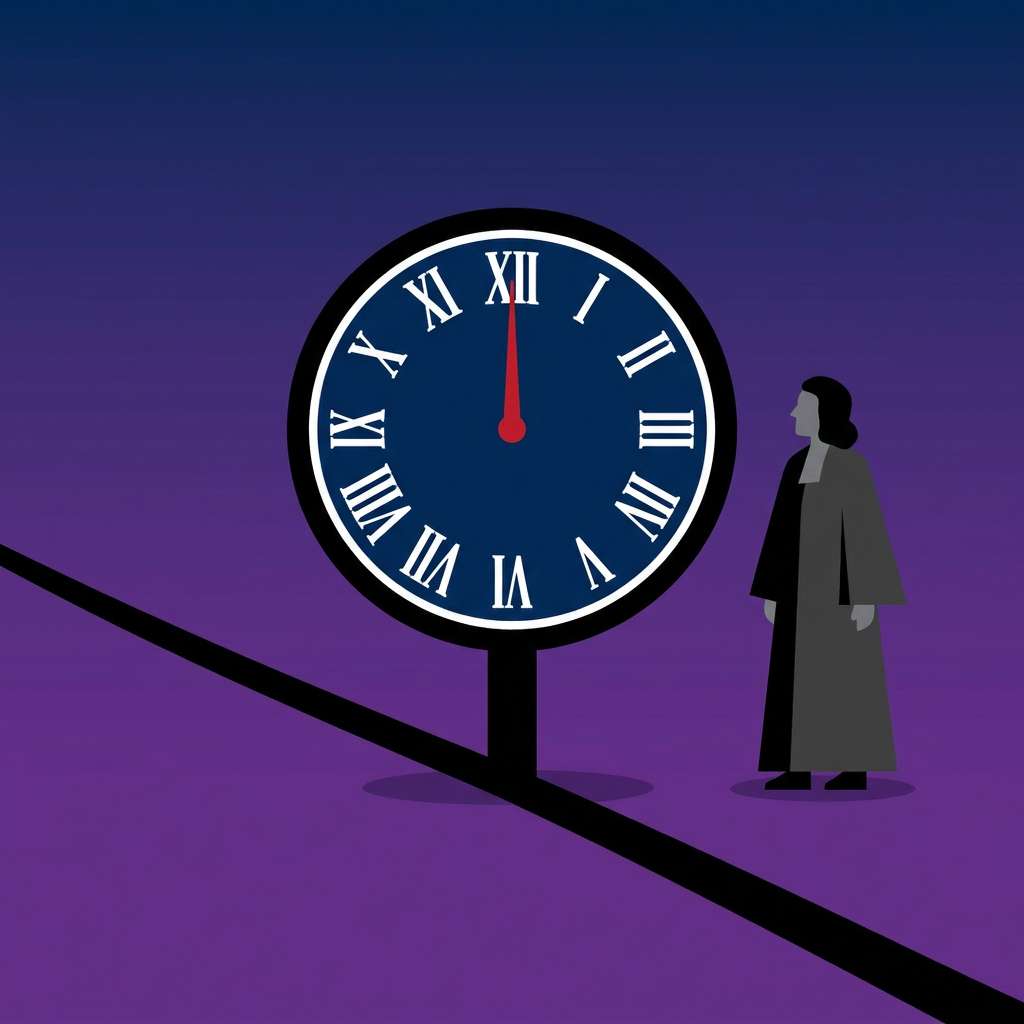
For most of history, time was local. Each town set its own clocks, and noon in one place could fall several minutes before or after noon in the next. Nobody minded: people could not travel fast enough between towns for the difference to matter.
Then came the railways. Once two towns were minutes apart, those gaps became a nuisance. On long routes, a train passed through stops where local time varied by whole hours. The time systems humanity had used for millennia were no longer good enough. If the trains were to run smoothly, time itself had to be remade.
The rest is in the Sophia app.The remaining parts, the open-book quiz and the full glossary. Free to start; Premium unlocks everything.
- 2The railways adopt Greenwich time
- 3The United States invents time zones
- 4The Washington conference of 1884
- 5A slow and contested adoption
Open-book quiz8 questions whose answers are in the text.
Glossary7 terms explained in a tap.
30 languagesThe same course, from French to Japanese.