Part 1 of 5 · freeIntroduction
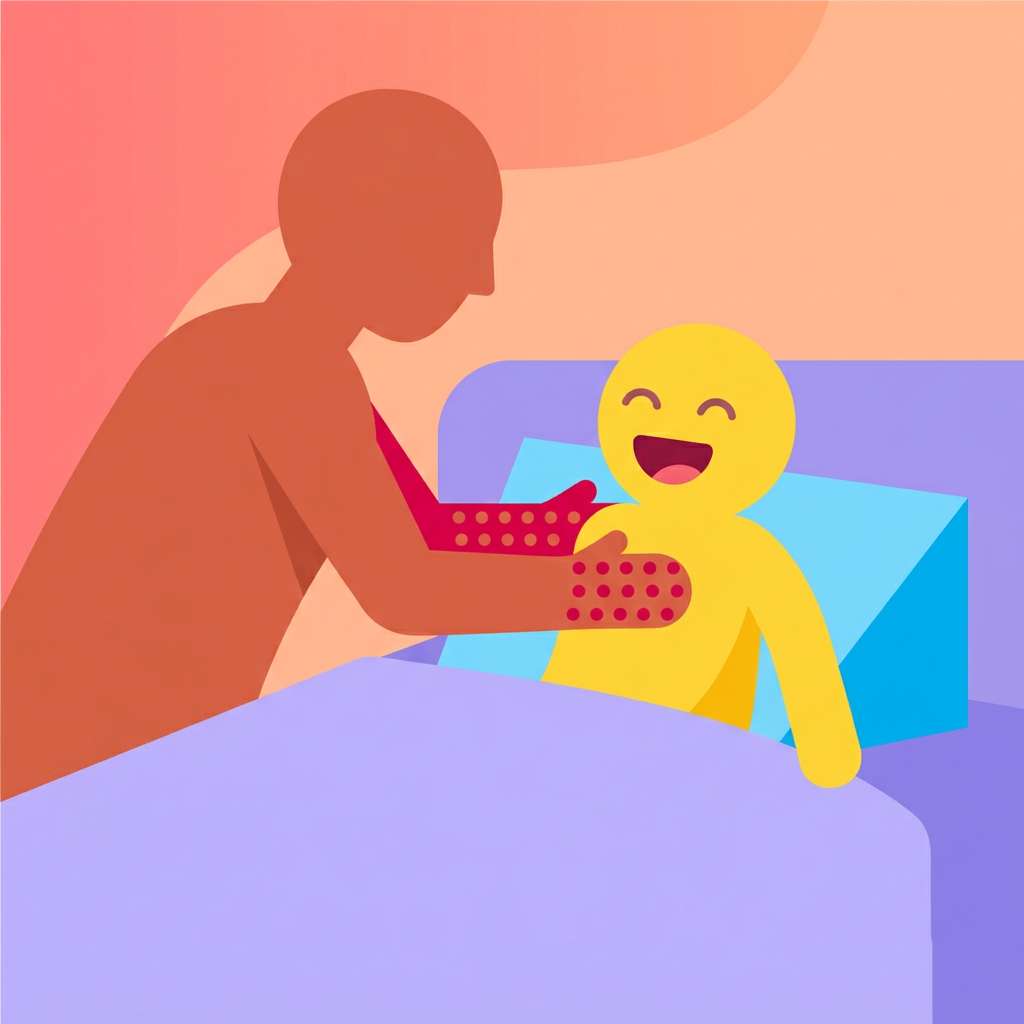
A hand creeps toward your ribs and off it goes: you squirm, you beg for it to stop, and yet you laugh. This small mystery has intrigued thinkers since antiquity. Socrates, Aristotle, then Francis Bacon, Galileo, René Descartes and Charles Darwin all took an interest in it.
Tickling looks like a trivial game. It is in fact a complex mechanism that combines the skin that feels, the body that reacts, emotion and several circuits in the brain. The result is involuntary laughter, a laugh you cannot command.
The rest is in the Sophia app.The remaining parts, the open-book quiz and the full glossary. Free to start; Premium unlocks everything.
- 2Two kinds of tickle: knismesis and gargalesis
- 3From touch to laughter: the brain's circuit
- 4Why can't we tickle ourselves?
- 5What are tickles for?
Open-book quiz8 questions whose answers are in the text.
Glossary7 terms explained in a tap.
30 languagesThe same course, from French to Japanese.