
Part 1 of 5 · freeIntroduction
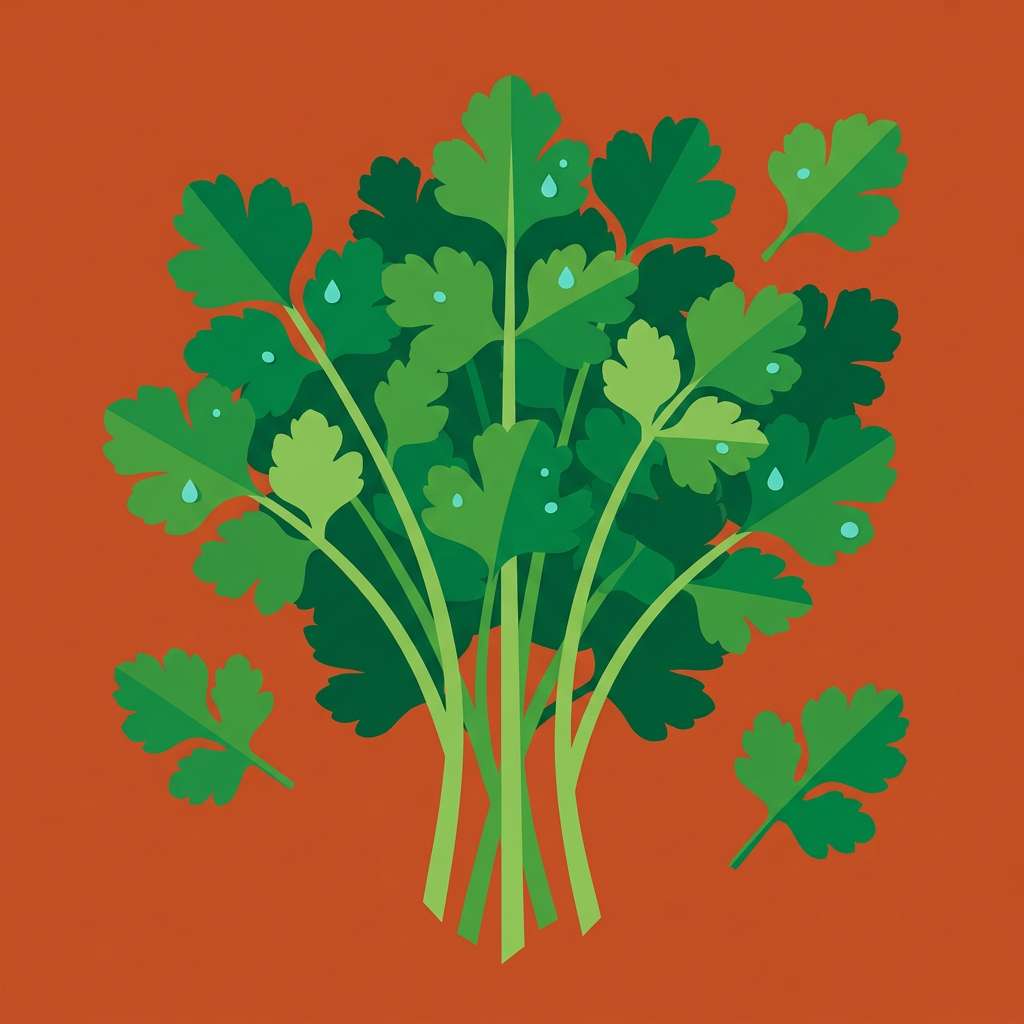
Coriander is one of the oldest and most widely used plants in the world. The Greeks and Romans of antiquity were already growing it, for cooking and for medicine. It turns up in South Asia, in China, in Latin America, in thousands of recipes.
Yet some people cannot stand it. Where most diners taste a fresh herb, they swear they are chewing soap. It is neither fussiness nor a lack of habit: the answer lies in their nose, and more precisely in their genes.
The rest is in the Sophia app.The remaining parts, the open-book quiz and the full glossary. Free to start; Premium unlocks everything.
- 2Olfactory receptors, from nose to brain
- 3OR6A2, the soap-taste gene
- 4Why did this mutation survive?
- 5Can you learn to like coriander?
Open-book quiz8 questions whose answers are in the text.
Glossary5 terms explained in a tap.
30 languagesThe same course, from French to Japanese.