
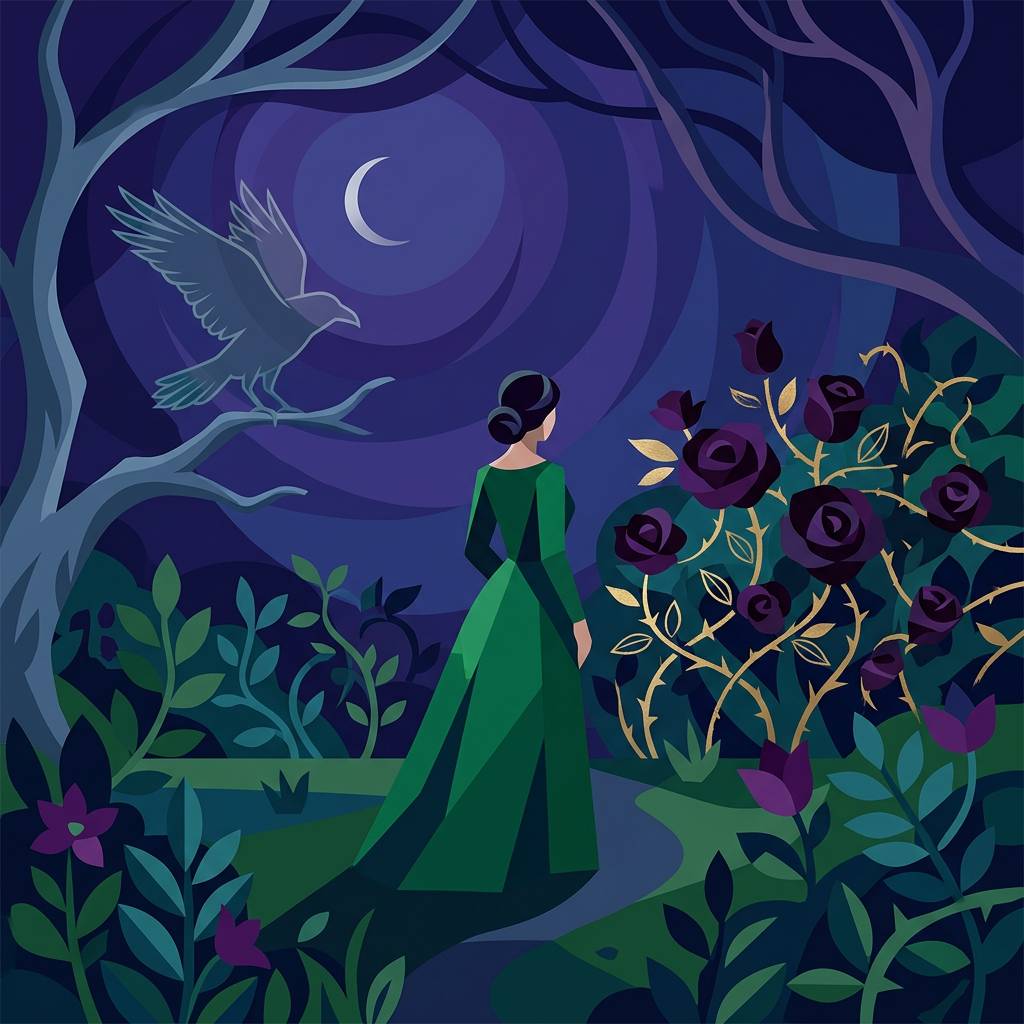
Part 1 of 5 · freeIntroduction
In 1857, Charles Baudelaire published Les Fleurs du Mal (The Flowers of Evil). The collection marked a turning point in the history of poetry. Until then, Romanticism had ruled: poets idealized nature and noble feelings. Baudelaire took a different path. He wrote about ugliness, sin, the city, and dread.
The book caused a scandal. In court, it was found guilty of “an offense against public morals.” Yet in it, Baudelaire defended a powerful idea: beauty can be drawn out of what shocks or disgusts. He compared the poet to an alchemist. Where others saw only mud, he looked for gold.
The rest is in the Sophia app.The remaining parts, the open-book quiz and the full glossary. Free to start; Premium unlocks everything.
- 2Baudelaire, the cursed dandy
- 3The architecture of the collection
- 4Correspondences and poetic alchemy
- 5Modernity and legacy
Open-book quiz10 questions whose answers are in the text.
Glossary10 terms explained in a tap.
30 languagesThe same course, from French to Japanese.