Part 1 of 5 · freeIntroduction
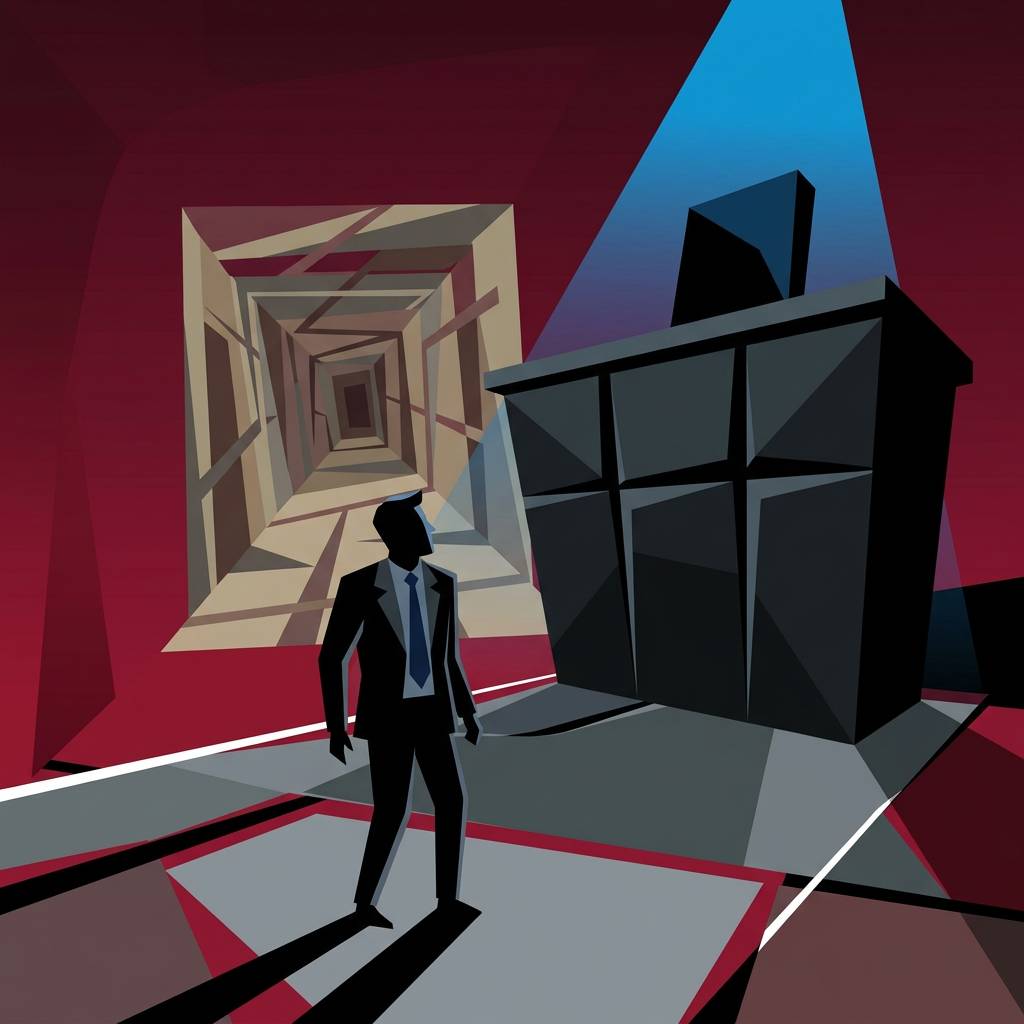
Written between 1914 and 1915, published after his death in 1925, The Trial by Franz Kafka is one of the most influential books of the 20th century. Josef K., a bank clerk in Prague, is arrested one morning and never told why. He struggles inside a legal system with no visible rules and no possible end.
Today the adjective Kafkaesque describes the bureaucratic absurdity that crushes a person who has no recourse. Kafka captured the modern dread of anonymous structures we depend on without ever understanding them. His novel feels strangely current in an age of algorithms and impenetrable administrations.
The rest is in the Sophia app.The remaining parts, the open-book quiz and the full glossary. Free to start; Premium unlocks everything.
- 2Kafka: a man in the service of the unfinished
- 3Josef K. and the machinery of an invisible charge
- 4Bureaucracy and the existential dimension
- 5The legacy of the Kafkaesque
Open-book quiz9 questions whose answers are in the text.
Glossary6 terms explained in a tap.
30 languagesThe same course, from French to Japanese.