Part 1 of 5 · freeIntroduction
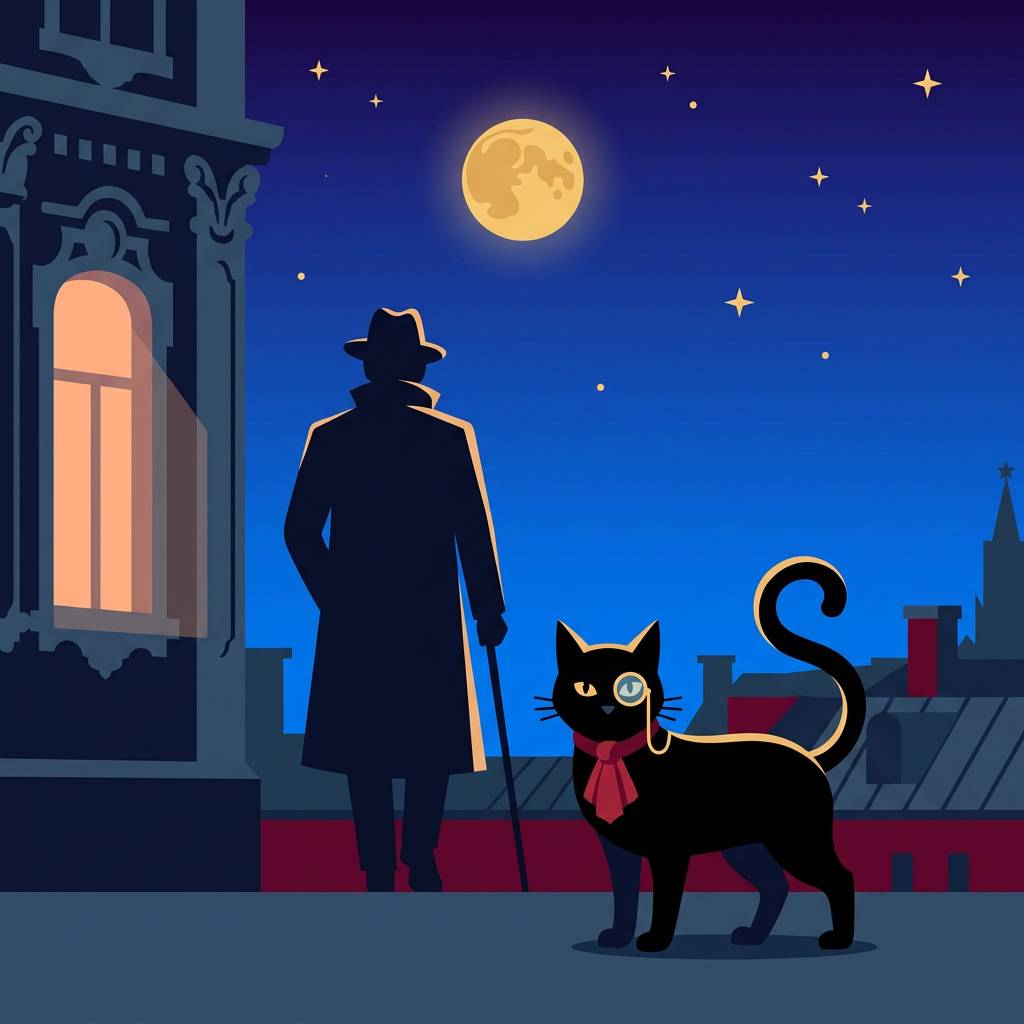
The Master and Margarita was written between 1928 and 1940, then published in 1967. It weaves three worlds together: Soviet Moscow in the 1930s, ancient Jerusalem, and a fantastic realm ruled by the devil. Mikhail Bulgakov, who was born in 1891 and died in 1940, planned it as an artistic testament written under the censorship of Stalin.
The book argues that the truth of art wins out in the end over political repression, even when the author has to write in complete secrecy. Its famous line, “Manuscripts do not burn,” has become a symbol of cultural resistance.
The rest is in the Sophia app.The remaining parts, the open-book quiz and the full glossary. Free to start; Premium unlocks everything.
- 2Bulgakov: writing as resistance
- 3A story built like a symphony
- 4The metaphysics of cowardice and evil
- 5A universal and subversive legacy
Open-book quiz10 questions whose answers are in the text.
Glossary8 terms explained in a tap.
30 languagesThe same course, from French to Japanese.