Part 1 of 5 · freeIntroduction
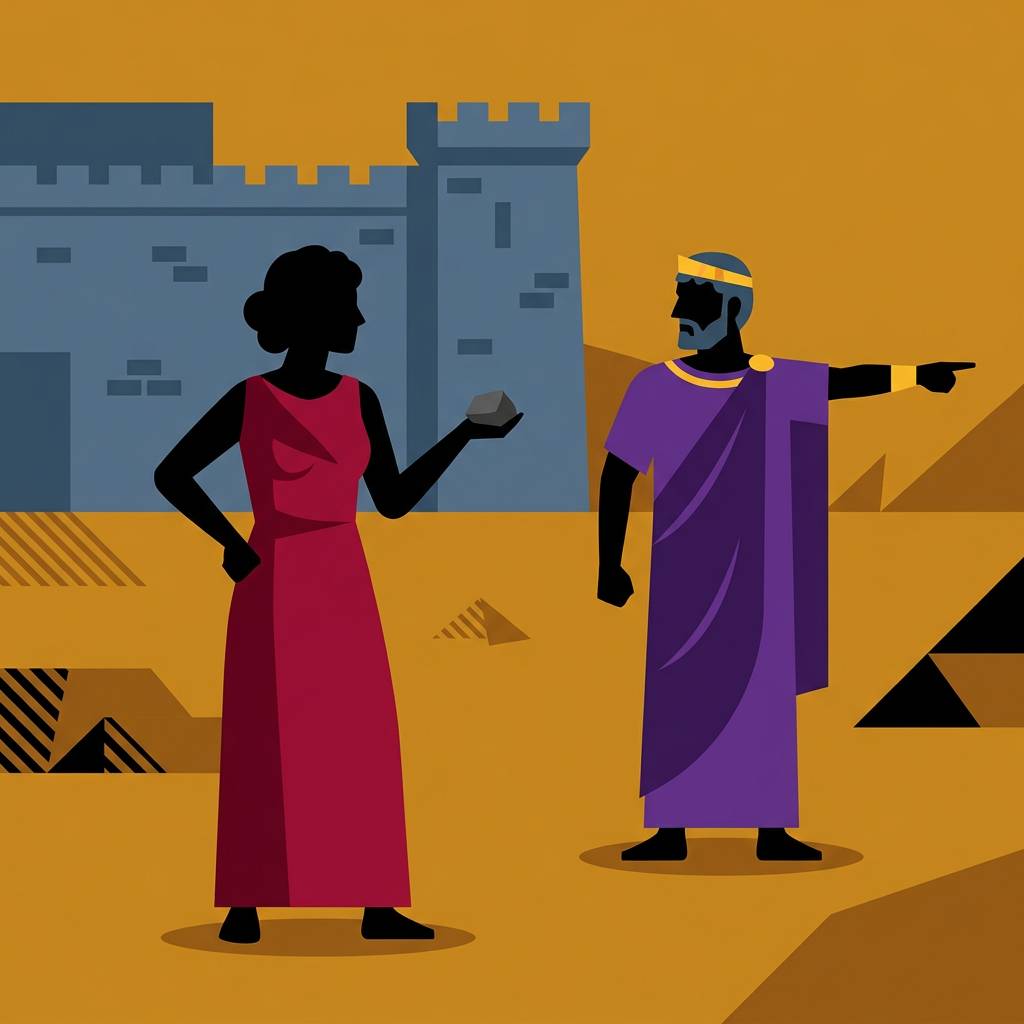
After the war of the Seven Against Thebes, two brothers lie dead, killed by each other: Eteocles, who defended Thebes, and Polynices, who attacked it. The new king, Creon, Antigone's uncle, orders that one be honored and the other left unburied. Antigone, the daughter of Oedipus and sister of both men, refuses. She buries the body. Sophocles turns this into one of the most argued-over plays in Western theater.
The conflict is sharp: on one side the written law of the city, on the other the duties owed to the dead and to the family. Nobody is entirely in the wrong. That is why the play still starts arguments, from the theaters of Athens to modern philosophy classes.
The rest is in the Sophia app.The remaining parts, the open-book quiz and the full glossary. Free to start; Premium unlocks everything.
- 2The legacy of Oedipus still weighs
- 3Disobeying also means saying “I”
- 4Creon holds too hard: the hubris of power
- 5A tragedy of values, not a slogan
Open-book quiz9 questions whose answers are in the text.
Glossary7 terms explained in a tap.
30 languagesThe same course, from French to Japanese.